



Company Adjuster
An employee of the insurance carrier who investigates and adjusts claims for the company.
Practical guidance for before, during, and after a property loss—written for policyholders, not insurance professionals.
Search by topic, insurance term, or what happened to your property.
16 resources to explore
Start with the property claim process, policy review, documentation, and what happens next.
Explore →Make sense of ACV, RCV, recoverable depreciation, deductibles, and additional living expenses.
Explore →Find guidance for denied, underpaid, delayed, and closed property claims.
Explore →Follow the stages from reporting a loss through documentation and resolution.
Explore →Understand first priorities, preserving records, and getting answers after property damage.
Explore →Know the difference between company, independent, and public adjusters.
Explore →Review coverage, exclusions, endorsements, deductibles, and questions to ask about your policy.
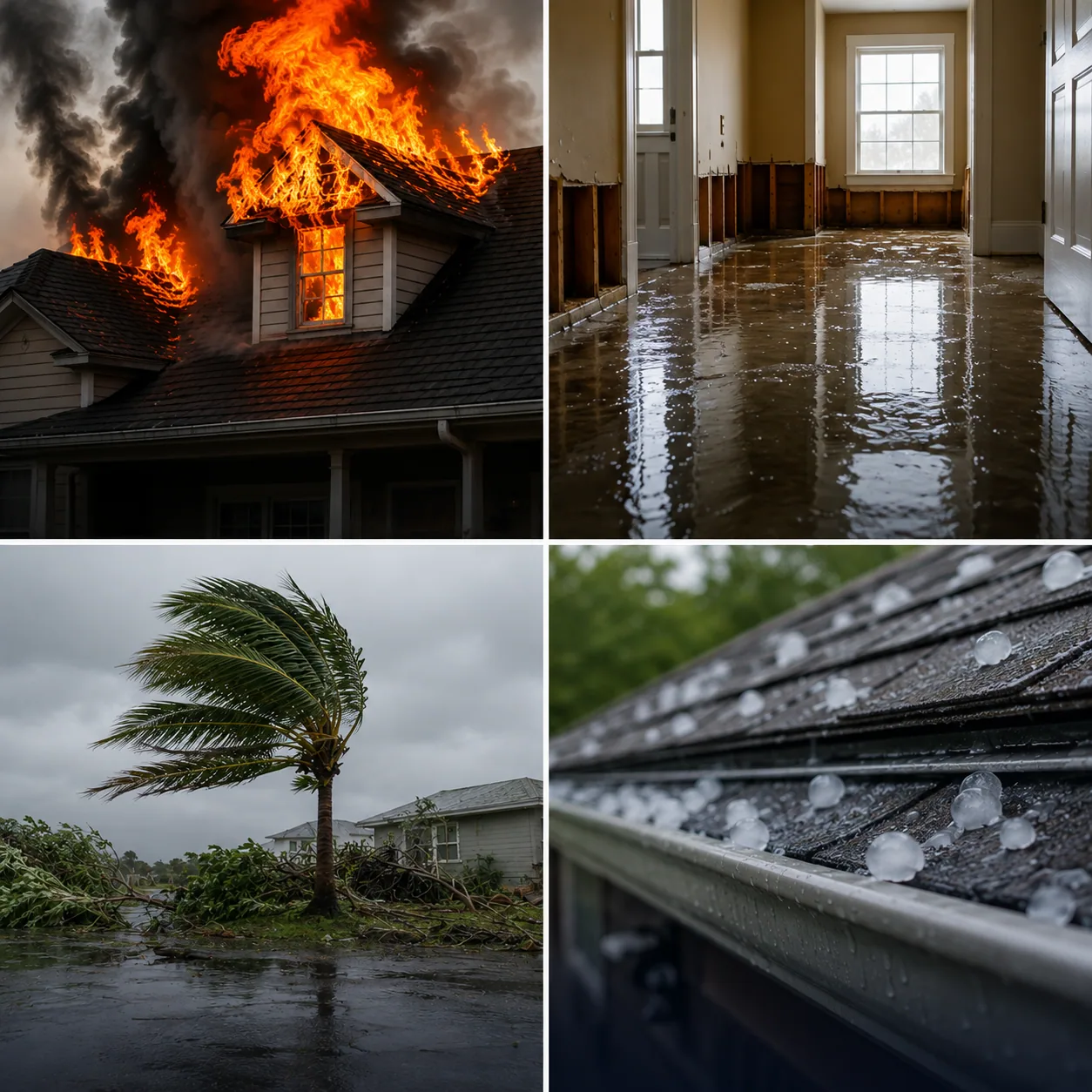
Explore →Explore fire, smoke, water, wind, hail, and other property damage resources.
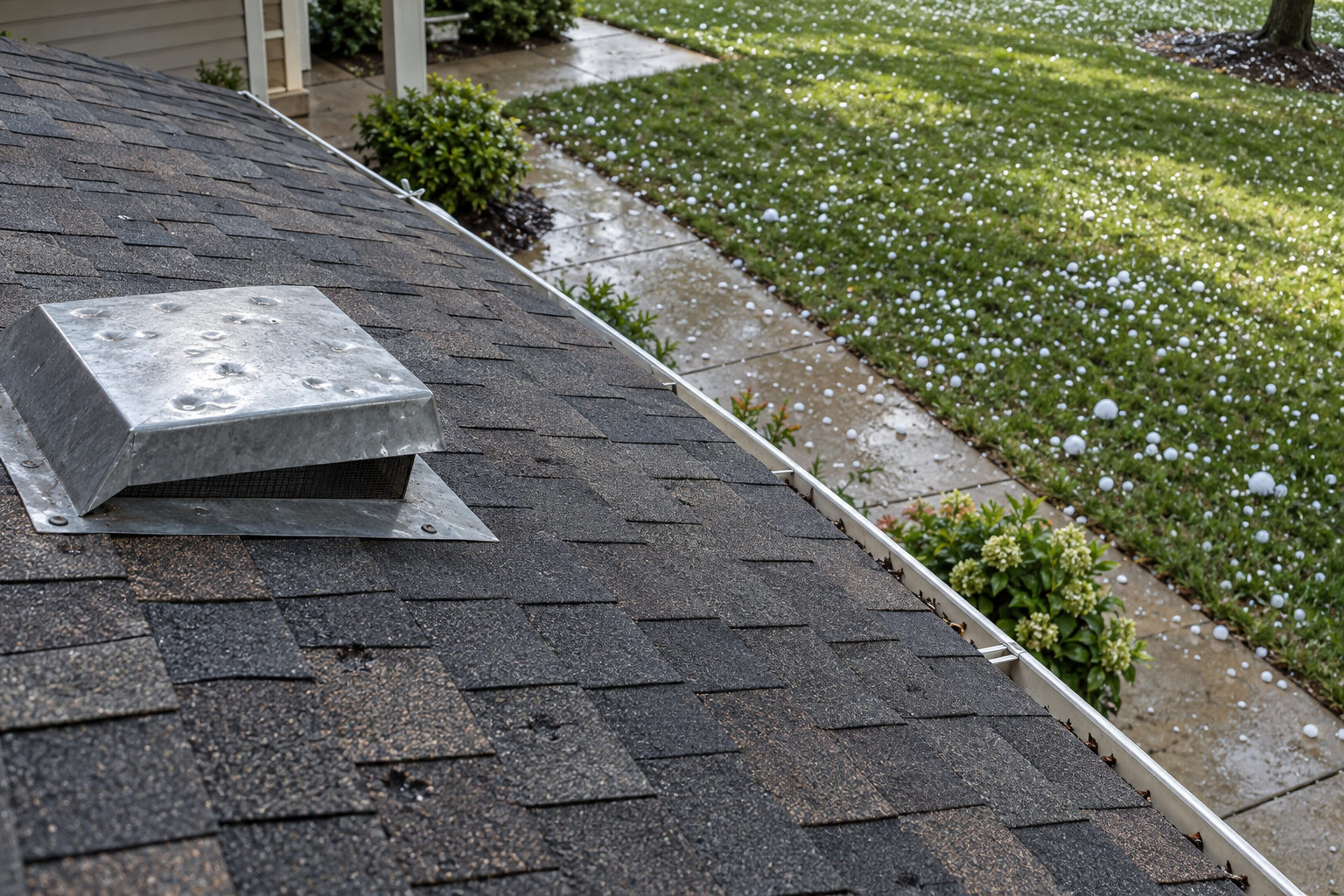
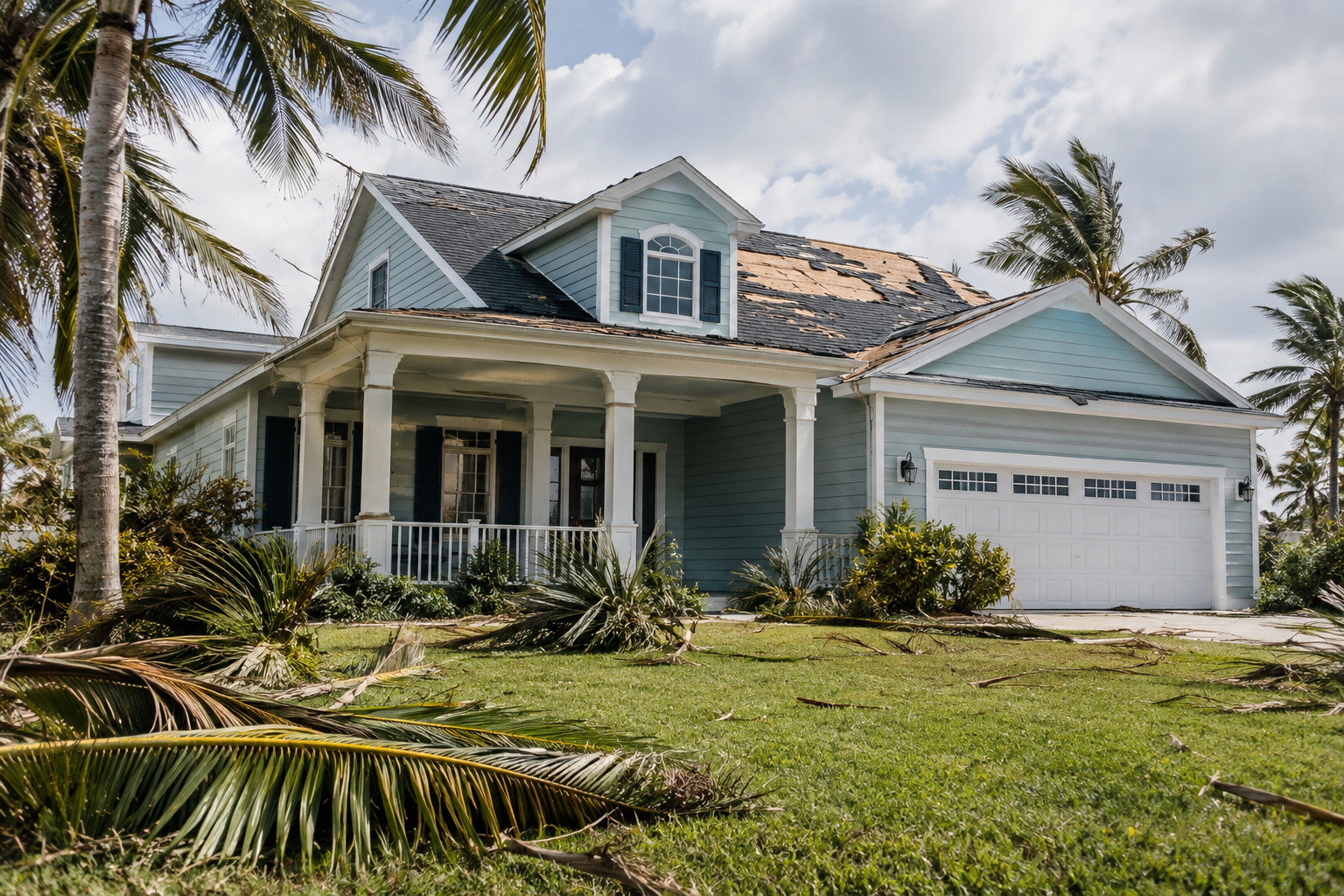
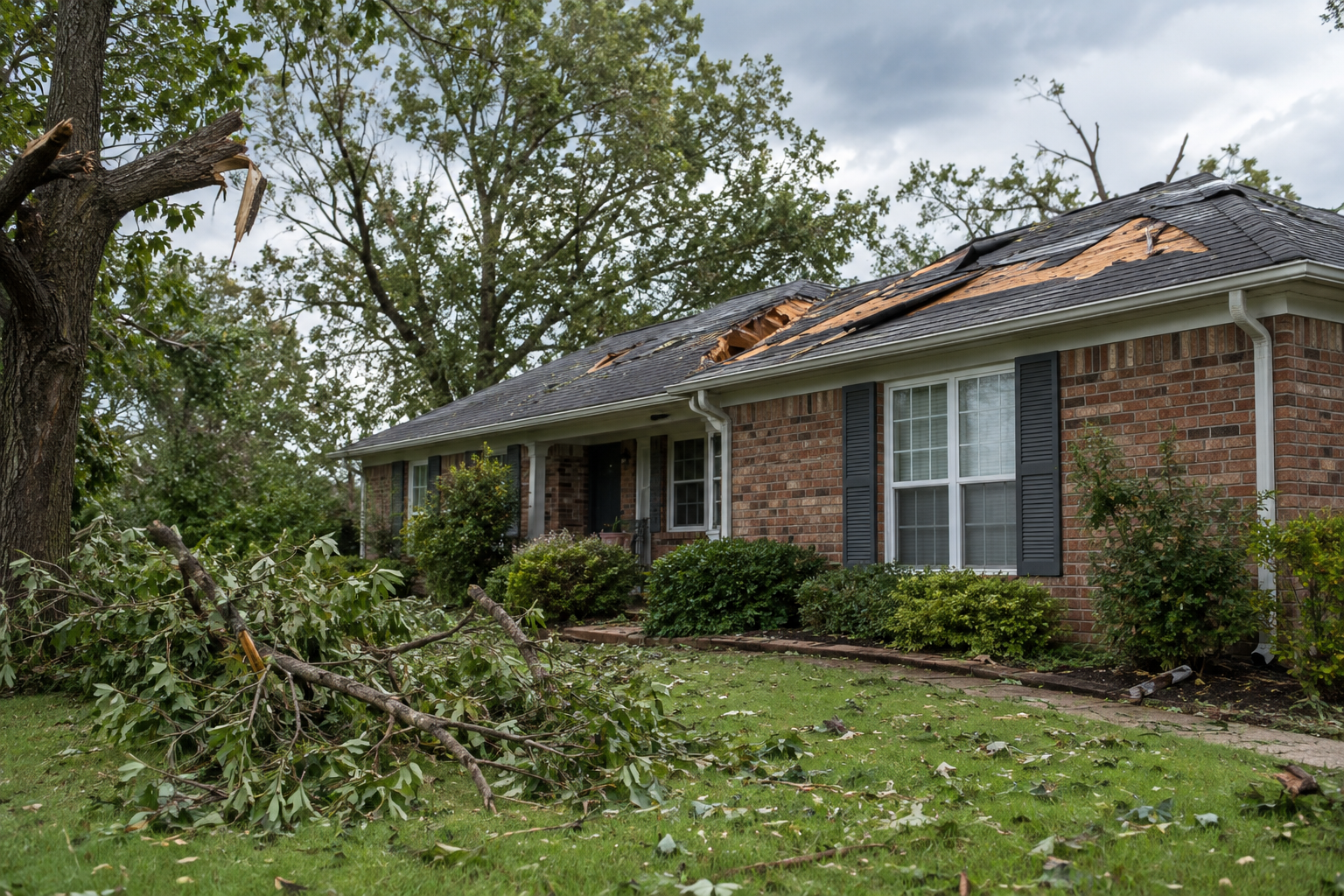
Explore →Learn how wind and hail can affect roofs and other parts of the property.
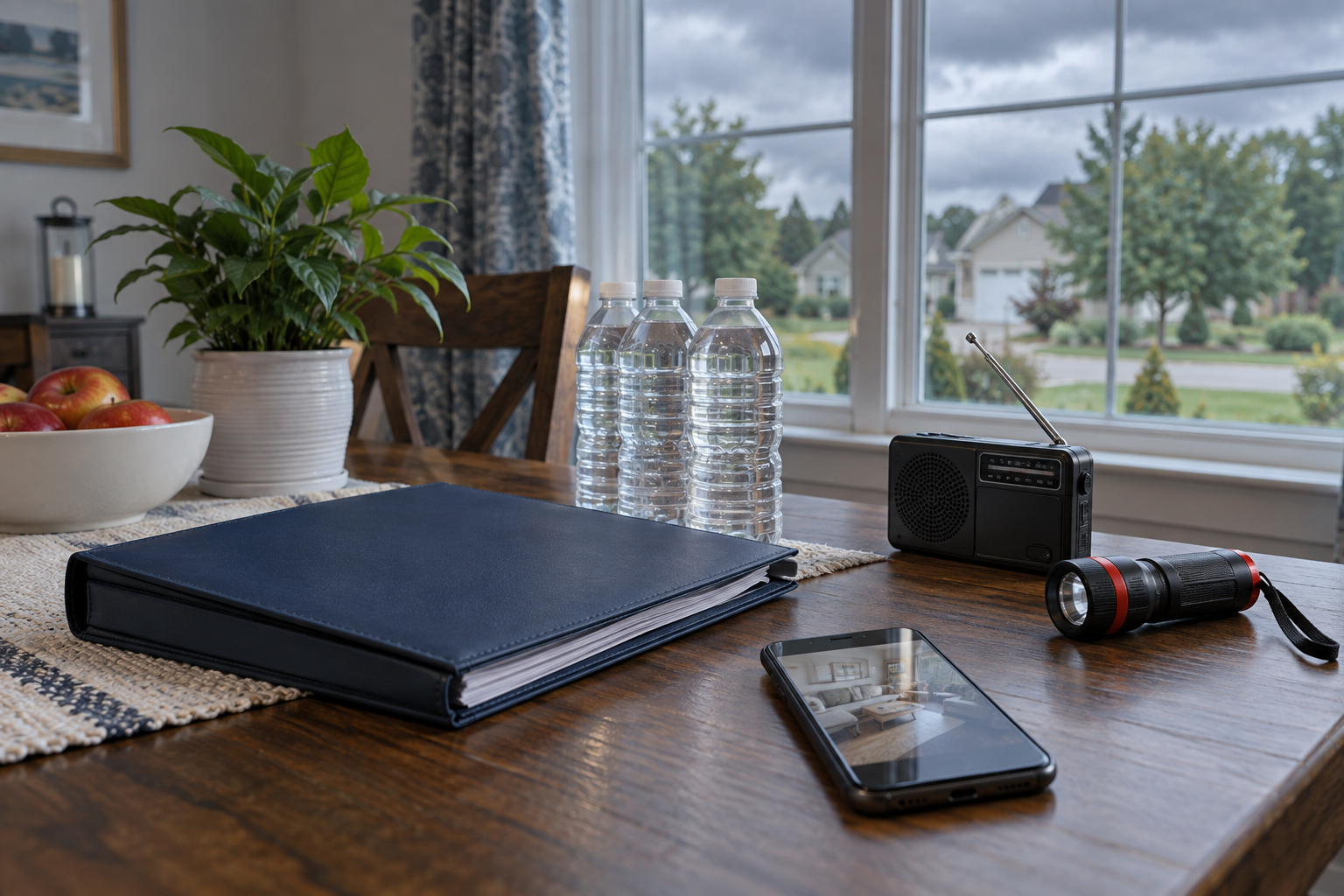
Explore →Build your records, review coverage questions and work through a household preparation checklist.
Explore →Compare roofing materials, benefits, drawbacks, and slope requirements.
Explore →See how UCAG advocates for policyholders, what historical payout research found, and when representation may add value.
Explore →Plain-language insurance, claims, and roofing terms in one searchable reference.
Explore →A photo is more useful when you can tell where it was taken, what it shows and when you noticed the change.
Explore →An estimate, a payment and the final repair cost are different figures. Learn what each number represents before comparing them.
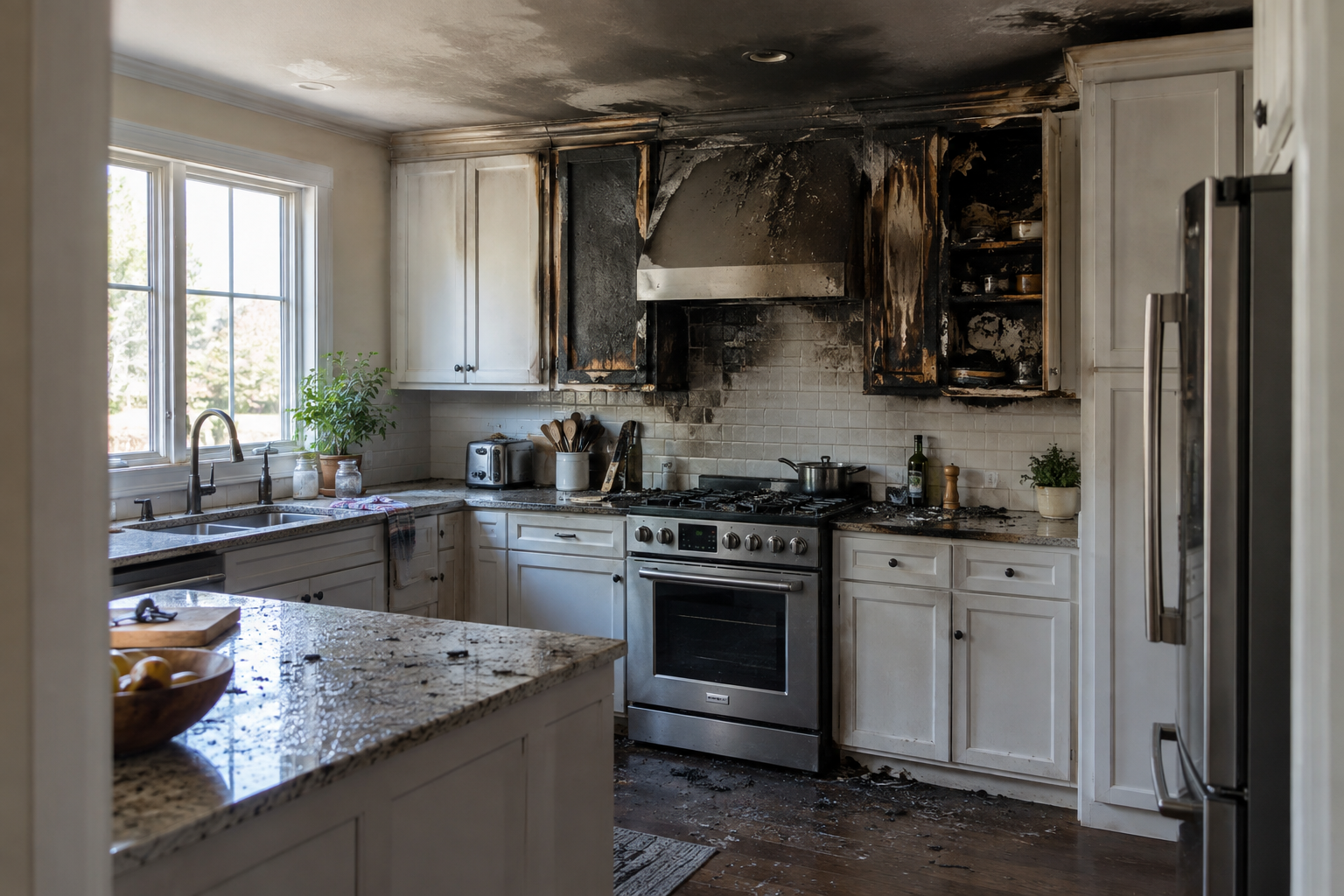
Explore →Understand fire, smoke, contents damage, and common terms after a fire loss.
Explore →Use this center to understand your options, prepare for a claim, or make sense of a carrier decision.
What to do during the first 24–48 hours after property damage.
Explore →02Understand who each adjuster represents and when help may be useful.
Explore →03See the major steps from initial documentation through resolution.
Explore →04Guidance for denied, underpaid, delayed, or closed claims.
Explore →05Learn what your policy says before a loss—or before choosing coverage.
Explore →06Plain-language answers to common property-claim questions.
Explore →Safety and preventing additional damage come first. Then build a clear record before conditions change.
If anyone is in danger, contact emergency services and leave the property when necessary.
Take reasonable, safe steps to keep the loss from getting worse, such as covering an opening or stopping an active leak.
Photograph and video every affected area, damaged item, and visible source of the loss before moving or discarding anything.
Keep damaged materials and items when practical. If they must be removed, photograph them thoroughly and retain samples when safe.
Track emergency repairs, temporary housing, meals, supplies, and other loss-related expenses.
Record dates, names, phone calls, inspections, requests, promises, and every document sent or received.
Never enter an unsafe structure or attempt dangerous mitigation. Follow emergency officials and qualified professionals.
An employee of the insurance carrier who investigates and adjusts claims for the company.
An outside professional or firm contracted by the carrier to handle claims on its behalf.
A licensed professional retained by you to prepare, document, and negotiate your property claim.
A complete scope and a supported claim deserve a closer look. See why policyholders hire UCAG—and what payout research found →
Every claim is different, but a well-supported claim generally follows these stages. UCAG documents, presents, and negotiates your claim; we do not perform the repairs. Hiring us does not require you to use a particular contractor. The insurer pays claim funds, subject to the policy and any lender requirements.
Report the loss promptly and complete reasonable emergency mitigation.
Identify applicable coverages, deductibles, limits, duties, and deadlines.
Build a complete record of building, contents, and income-related damage.
Organize estimates, inventories, receipts, reports, and supporting evidence.
Address carrier questions, disputed scope, pricing, and overlooked damage.
Confirm the payment and outstanding requirements provided by the policy.
We examine the policy, documentation, estimates, payments, and timeline before explaining the available options.
We review the stated reason, policy language, evidence, and whether important facts were overlooked.
We compare the carrier’s scope and pricing with documented damage and the cost of covered repairs.
We organize outstanding requests and communications so the claim has a clear, documented path forward.
A closed file may still deserve review. Deadlines and options depend on the policy, facts, and state law.

UCAG offers a free policy review even when you do not have a claim. If you are shopping, you may send multiple policies for a side-by-side comparison. We will schedule a call to explain the advantages, limitations, and questions worth asking your agent. A written report is available upon request after the review call.
Schedule My Free Policy Review →A public adjuster is a licensed claims professional hired by the policyholder—not the insurance company—to document, prepare, and negotiate a property insurance claim.
You can call before filing, while a claim is active, or after receiving a denial or payment you believe is incomplete. An early review can help preserve evidence and clarify policy requirements.
Yes. UCAG reviews new, active, denied, underpaid, delayed, and closed property claims. Whether additional recovery is available depends on the policy, facts, deadlines, and applicable law.
UCAG works on a contingency basis: we only get paid when you do. The agreement and any state-specific fee requirements are explained before representation begins.
Your policy, carrier letters, estimates, photographs, videos, payment documents, repair invoices, and a timeline are helpful. Do not delay contacting us simply because something is missing.
Timing varies with the cause and complexity of the loss, documentation, inspections, carrier response, policy requirements, and disputes. No honest professional can promise an exact timeline.
No. UCAG represents policyholders in insurance claims. We help identify emergency service providers when needed, but contractors remain separate from our adjusting work.
No. Public adjusters handle insurance-claim preparation and negotiation. Attorneys provide legal advice and representation. If a matter requires legal counsel, we will tell you.
Actual Cash Value: replacement cost less applicable depreciation.
Replacement Cost Value: the cost to repair or replace with like kind and quality, subject to policy terms.
Depreciation the carrier may release after covered repairs or replacement are completed and documented.
The portion of a covered loss the policyholder is responsible for paying.
Additional Living Expense coverage for qualifying extra costs when a covered loss makes a home uninhabitable.
A formal, signed statement describing the claim and amount sought when required by the policy or carrier.
A request for additional claim payment supported by newly documented scope, quantity, or pricing.
A policy-based process used in some disputes about the amount of loss; availability and scope depend on the policy and state.
This resource center provides general educational information—not legal advice, a coverage determination, or a guarantee of claim outcome. Policy language, loss facts, deadlines, and state law control each claim. Consult a qualified attorney for legal advice.
Schedule your free consultation today.