
Cause
What happened and the evidence supporting that explanation.
A property loss can affect the structure, belongings, and the ability to use the space.
A property claim can involve more than the visible repair. Organize the building, personal property and temporary arrangements, then connect each part to the event and the relevant policy. Use a specific peril guide when the cause is known.
Talk With UCAG →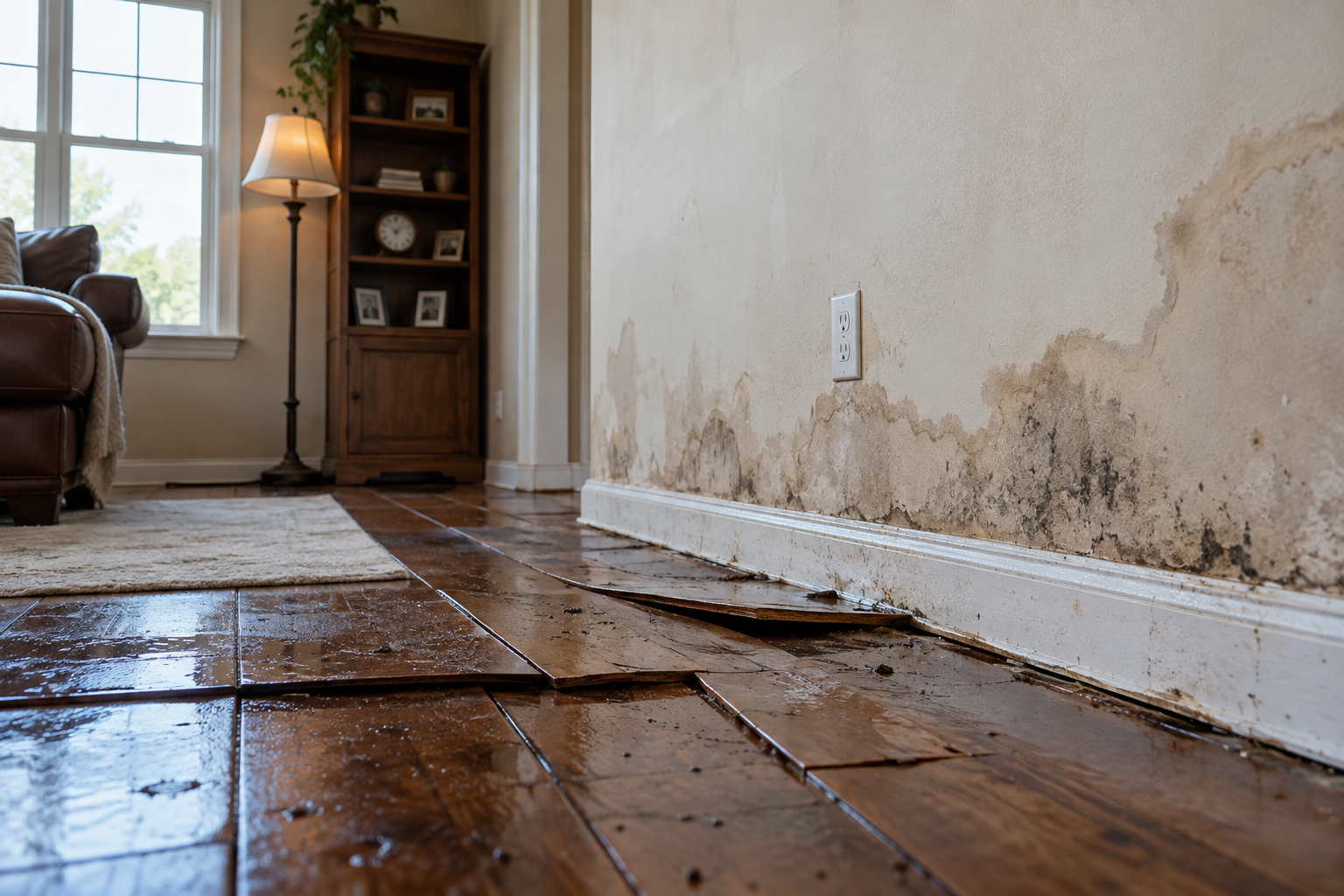
What happened and the evidence supporting that explanation.
Affected building components and belongings.
Necessary protection, repair proposals and documented expenses.
Follow emergency instructions before inspecting property.
Separate the event date, discovery date and reported observations.
Keep photos and inventories tied to rooms or structures.
Bring the policy, insurer estimate and correspondence together.
These records help connect the policy to the actual loss.
Protect people first and follow emergency instructions. Coverage, exclusions, deductibles, duties, and deadlines depend on the policy and applicable rules. A loss does not automatically establish coverage.
UCAG reviews the available policy and claim records, documents the reported loss, and helps policyholders understand disputed scope and payment questions. A review can address a new, denied, underpaid, delayed, or closed claim.
Look up claim terms → · Compare roofing types → · Browse all claims →

Combine maintenance, early warning and a household plan that matches the hazards where you live.
List upcoming roof, drainage, plumbing and heating checks. Assign work that needs professional access.
Update room photos, major purchases and improvement records so you have a useful before-loss reference.
Keep emergency contacts accessible and decide how household members will reconnect if separated.
Use the Fire, Flood, Wind, Frozen Pipes and other guides for hazard-specific preparation.
Preparation can reduce risk, but it cannot eliminate every loss. Follow local emergency guidance when conditions change.
Describe what you observed and when. Use qualified findings to investigate the cause rather than choosing a peril simply because it may be covered.
No. The policy describes coverage and conditions; an estimate describes proposed work and costs. Both need review.
Additional review may be possible depending on the policy, facts, deadlines and any agreement already signed. Preserve the supporting records and ask about the applicable requirements.
Further reading: NAIC: Homeowners insurance. State-specific guidance applies in its stated jurisdiction. Your policy and circumstances determine coverage.
Schedule your free consultation today.