
Plumbing
The failed component and the plumber’s findings.
Frozen plumbing can cause extensive water damage. Policy conditions concerning heat, occupancy, and protecting the property may matter.
A freeze-related plumbing loss needs more than a photo of a wet floor. Document the failed component, the water path, the event timeline and the steps taken to protect the property. Heating and occupancy records may also be relevant to the policy review.
Talk With UCAG →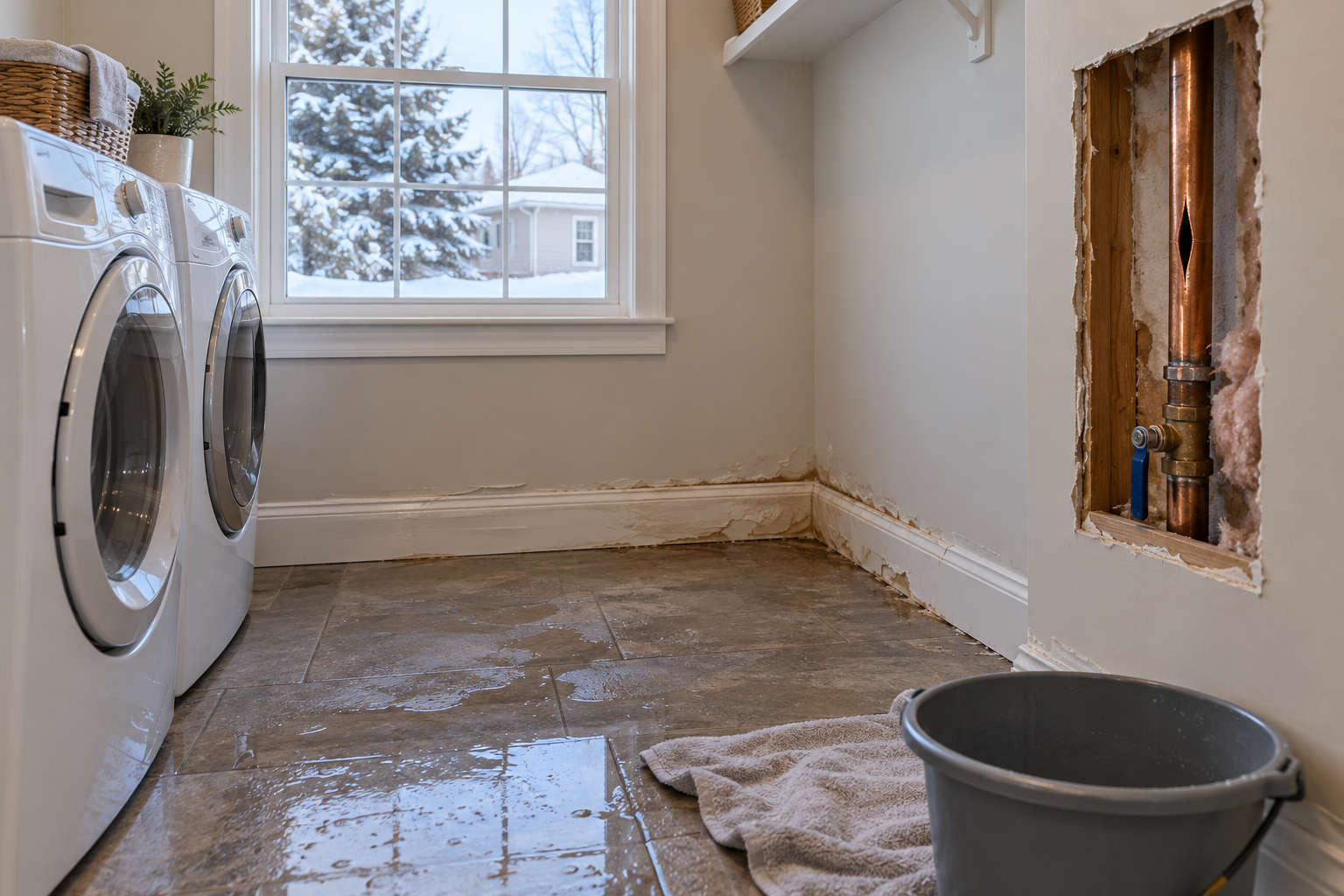
The failed component and the plumber’s findings.
Affected walls, floors, cabinetry and belongings.
Weather, discovery, heating and protective-action records.
Avoid electrical hazards and obtain appropriate emergency help.
Arrange safe shutoff and professional plumbing assistance.
Keep the plumber’s report and photographs of the failed component.
Save drying records, removal photos, invoices and repair estimates.
Protect people first and follow emergency instructions. Coverage, exclusions, deductibles, duties, and deadlines depend on the policy and applicable rules. A loss does not automatically establish coverage.
UCAG reviews the available policy and claim records, documents the reported loss, and helps policyholders understand disputed scope and payment questions. A review can address a new, denied, underpaid, delayed, or closed claim.
Look up claim terms → · Compare roofing types → · Browse all claims →
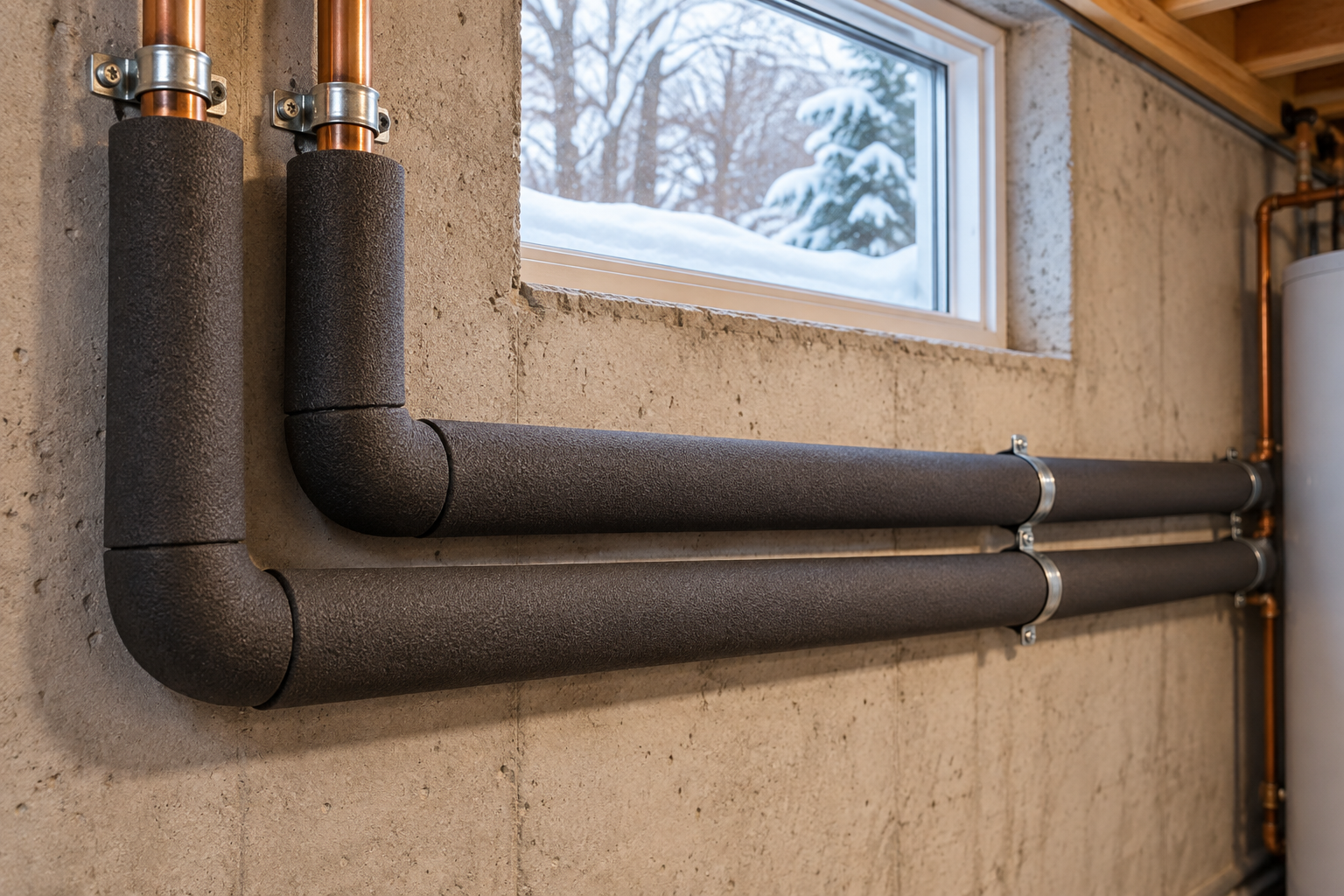
Cold-weather preparation should address exposed plumbing, indoor temperature and what happens if you are away.
Protect pipes in unheated areas and along exterior walls. Disconnect outdoor hoses and winterize outdoor plumbing according to the system instructions.
The American Red Cross recommends allowing a small cold-water flow through faucets connected to exposed piping during very cold weather to help prevent freezing. Follow local water-utility guidance.
Open sink-cabinet doors where plumbing is vulnerable, moving cleaners out of children’s reach. Keep the garage closed if water lines run through it.
Maintain a steady indoor temperature. If away during cold weather, the Red Cross recommends leaving heat set no lower than 55°F. Arrange a check on the home.
A drip is not a guarantee against freezing. If a pipe may be frozen or damaged, contact a licensed plumber; never use a torch or open flame to thaw it.
Water released by a burst pipe is different from surface flooding. Review the property policy and its water and freezing provisions rather than assuming flood insurance applies.
Some policies contain conditions about maintaining heat or protecting plumbing. Record what actually happened, including outages and steps taken, so the policy can be evaluated against the facts.
Ask your insurer and plumber whether the component needs to be retained for inspection. Photograph it and preserve it safely when appropriate; do not delay necessary work or keep hazardous material.
Further reading: National Weather Service: After extreme cold. State-specific guidance applies in its stated jurisdiction. Your policy and circumstances determine coverage.
Schedule your free consultation today.