
Event
Date, time, observations and available incident information.
Lightning may cause fire or damage electrical equipment. Records linking the event and the affected equipment help clarify the loss.
A lightning event may involve a building, wiring, appliances or electronics. Keep the event timeline alongside qualified diagnostic findings. The fact that equipment stopped working during a storm does not, by itself, establish the cause.
Talk With UCAG →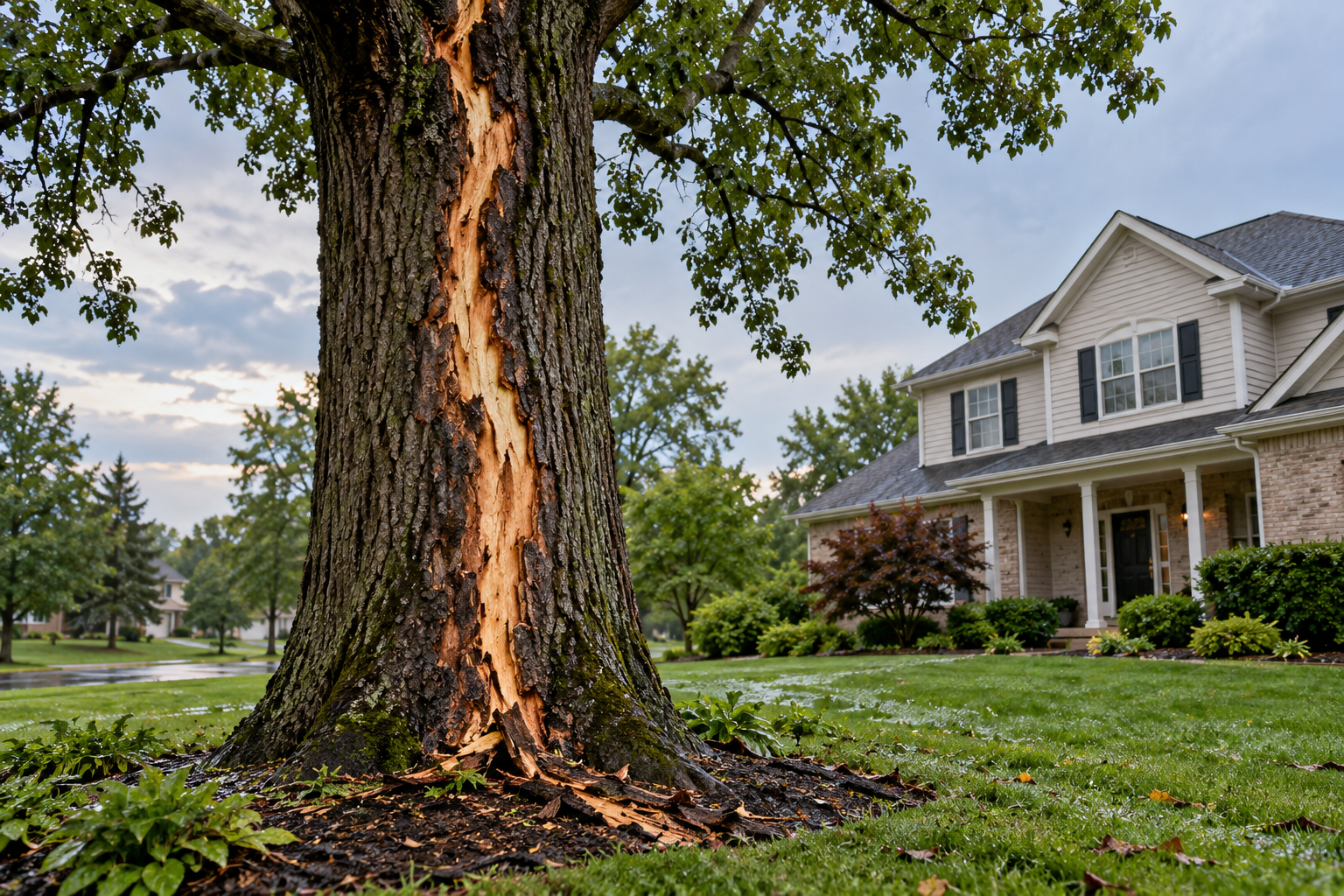
Date, time, observations and available incident information.
Affected electrical equipment and professional safety findings.
What failed, the identified cause and repair or replacement recommendations.
Do not go outside to photograph lightning.
Get emergency help for fire or unsafe electrical conditions.
Record symptoms, make, model and serial numbers.
Keep qualified diagnostic reports and estimates with the event record.
One row per item makes a technical claim easier to follow.
Protect people first and follow emergency instructions. Coverage, exclusions, deductibles, duties, and deadlines depend on the policy and applicable rules. A loss does not automatically establish coverage.
UCAG reviews the available policy and claim records, documents the reported loss, and helps policyholders understand disputed scope and payment questions. A review can address a new, denied, underpaid, delayed, or closed claim.
Look up claim terms → · Compare roofing types → · Browse all claims →
Plan a safe indoor location and address equipment protection before a storm is underway.
Use a substantial enclosed building or enclosed metal-topped vehicle. A porch, open garage or picnic shelter is not enough.
During lightning, avoid plumbing, corded phones and contact with plugged-in equipment. Stay away from exterior windows and doors.
If you choose to disconnect electronics, do it before the storm arrives. Do not handle plugs or cords during a thunderstorm.
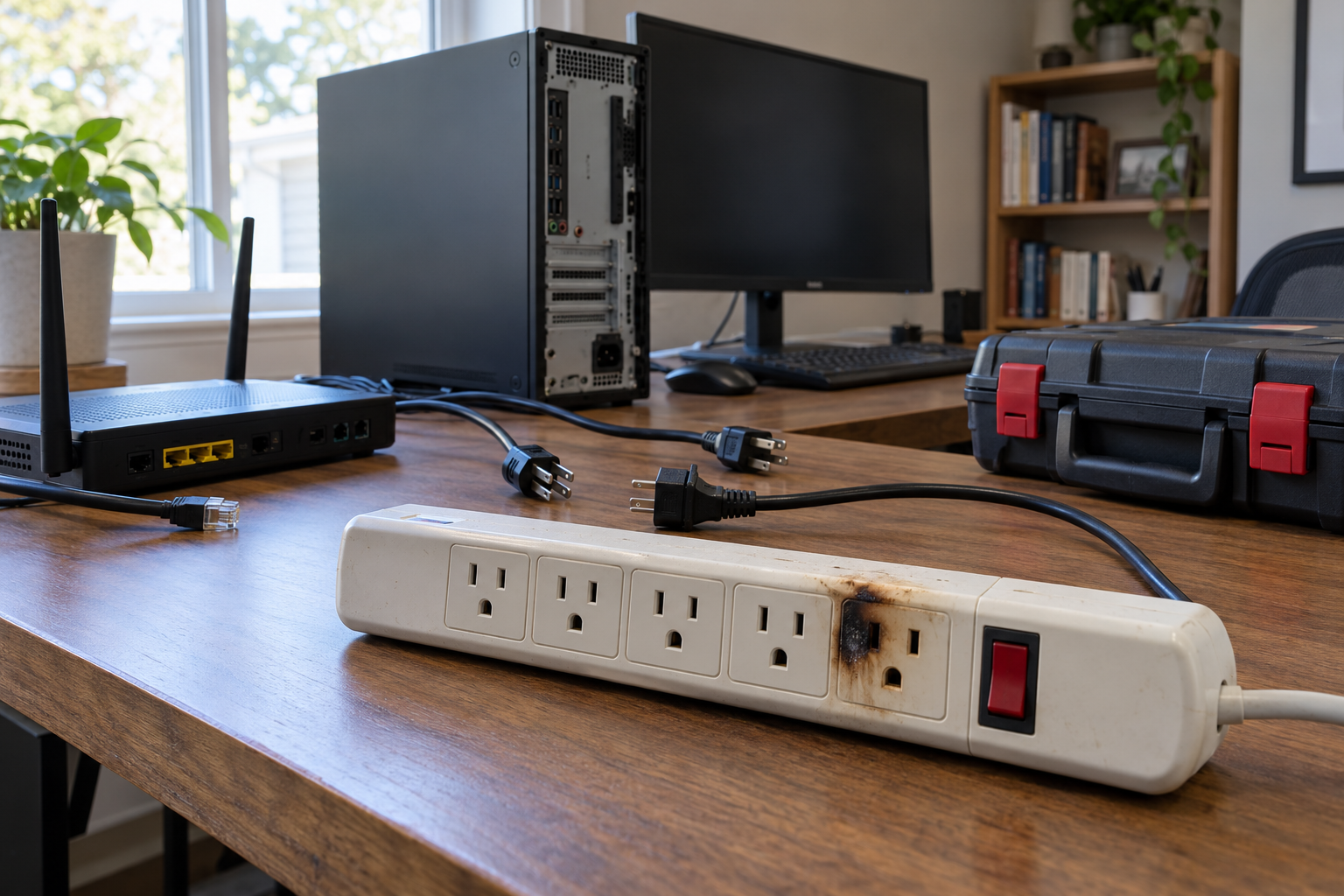
Ask a qualified professional about an appropriate lightning-protection and surge-protection approach. An ordinary power strip is not protection against a direct strike.
Do not go outdoors during lightning to inspect antennas, equipment or the roof. Stay sheltered until the storm has passed.
A qualified investigation should evaluate the available evidence. Do not assume the absence or presence of a visible mark settles every equipment question.
Avoid operating equipment that may be unsafe. Ask a qualified professional to evaluate it.
No. A surge can have different causes. Record the diagnosis rather than labeling every electrical failure as lightning.
Further reading: National Weather Service: Lightning safety. State-specific guidance applies in its stated jurisdiction. Your policy and circumstances determine coverage.
Schedule your free consultation today.