
Building
Walls, ceilings, cabinets and other affected materials.
The visible burn area may be only part of a fire loss. Heat, firefighting water, belongings, and displacement also need attention.
A clear fire claim follows the loss through the building, the belongings, and the disruption to everyday life. Keep those parts of the record together, even when different specialists inspect them.
Talk With UCAG →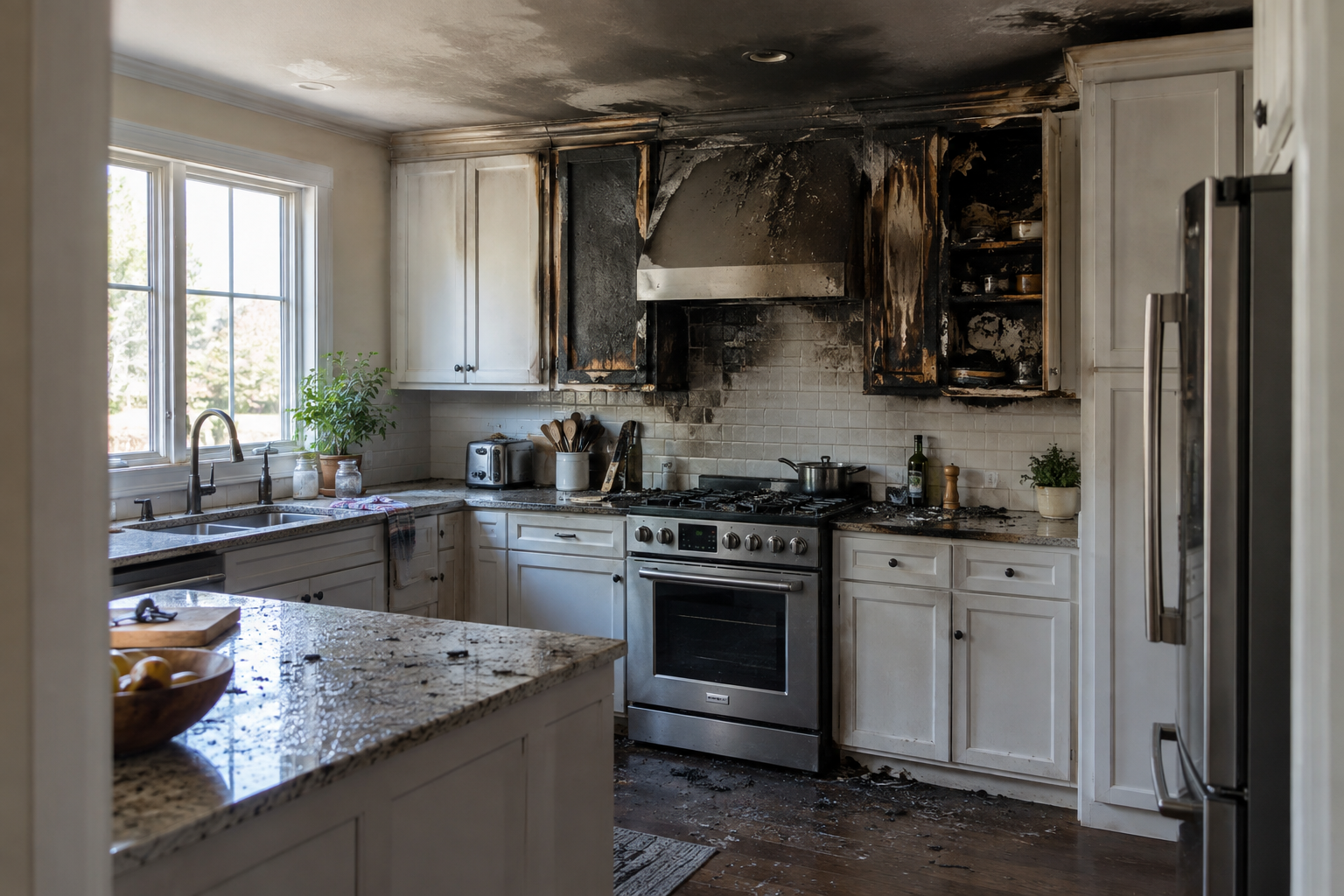
Walls, ceilings, cabinets and other affected materials.
Room-by-room records of furniture, clothing and household items.
Receipts and dates for temporary living arrangements.
Follow the fire department’s instructions before returning.
Photograph each affected area before cleanup when access is safe.
Record item descriptions, photos, purchase records and estimates.
Save the incident report, correspondence and expense receipts.
Protect people first and follow emergency instructions. Coverage, exclusions, deductibles, duties, and deadlines depend on the policy and applicable rules. A loss does not automatically establish coverage.
UCAG reviews the available policy and claim records, documents the reported loss, and helps policyholders understand disputed scope and payment questions. A review can address a new, denied, underpaid, delayed, or closed claim.
Look up claim terms → · Compare roofing types → · Browse all claims →
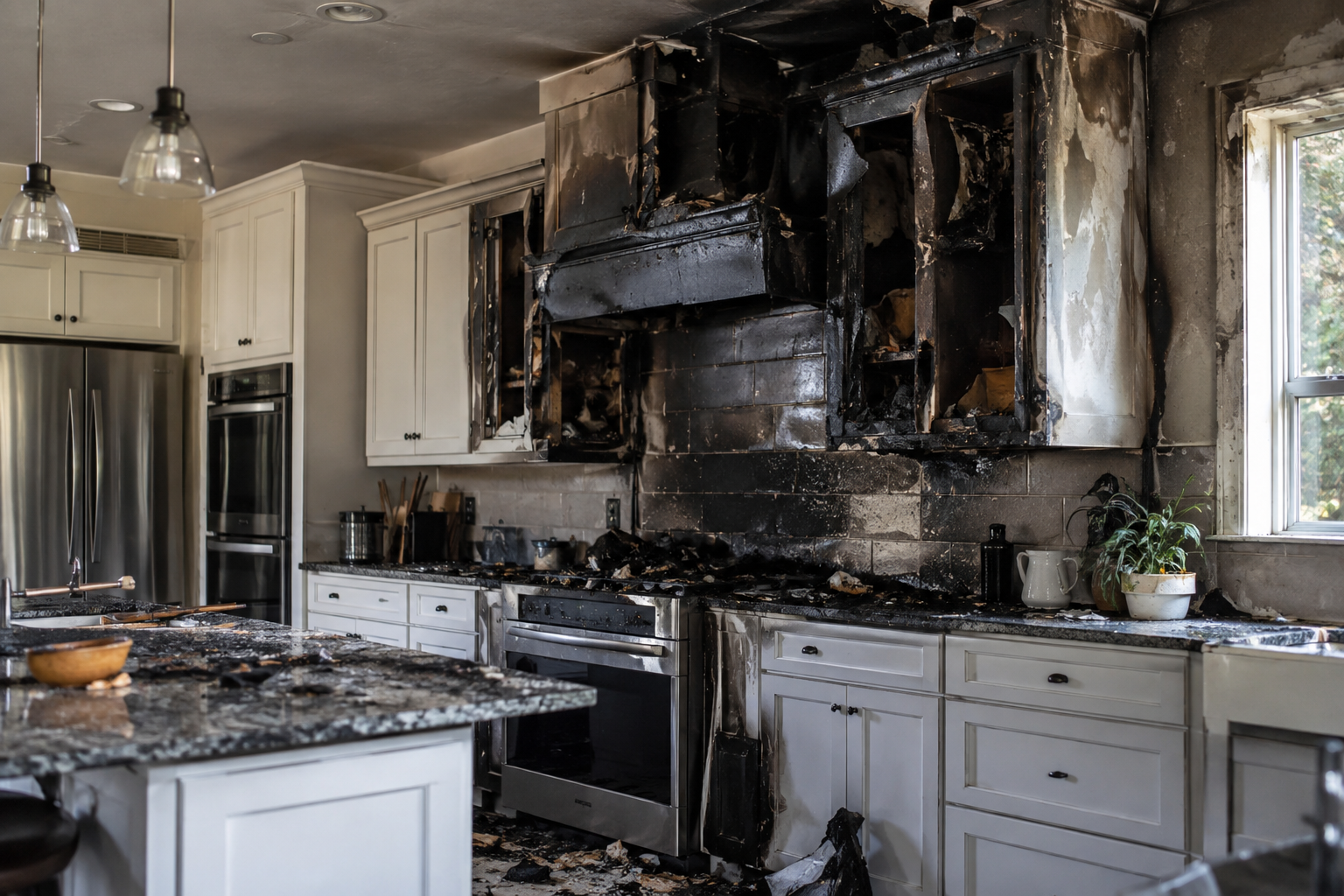
Small habits around flames, cooking and heating can reduce common ignition risks.
Keep candles and other open flames away from curtains, bedding and anything that can burn. Candles need at least 12 inches of clearance; flameless candles avoid the open flame.
Remain in the kitchen when frying, grilling or broiling. Keep towels, packaging and other combustibles away from burners.
Keep portable heaters at least 3 feet from things that can burn. Turn them off when leaving the room or going to sleep.
Test smoke alarms monthly and practice getting everyone outside to a meeting place. Keep exit paths clear.
If a fire starts, get out, stay out and call 911 from a safe location. Do not delay escape to protect property.
Photograph and list affected items before disposal when it is safe to do so. Ask your insurer and restoration professionals what needs inspection or documentation; do not keep hazardous items just for a claim.
Record smoke and soot wherever they are found, including areas away from the burn. Their relationship to the event and the necessary work should be evaluated, not assumed.
Your policy, insurer letters and estimate, fire report if available, photos, inventories and receipts provide a useful starting point.
Further reading: U.S. Fire Administration: After a Fire. State-specific guidance applies in its stated jurisdiction. Your policy and circumstances determine coverage.
Schedule your free consultation today.