
Roofing
Material, condition, inspection findings and repairability.
Hail effects depend on the material and conditions. A qualified inspection can help distinguish storm damage from wear or other causes.
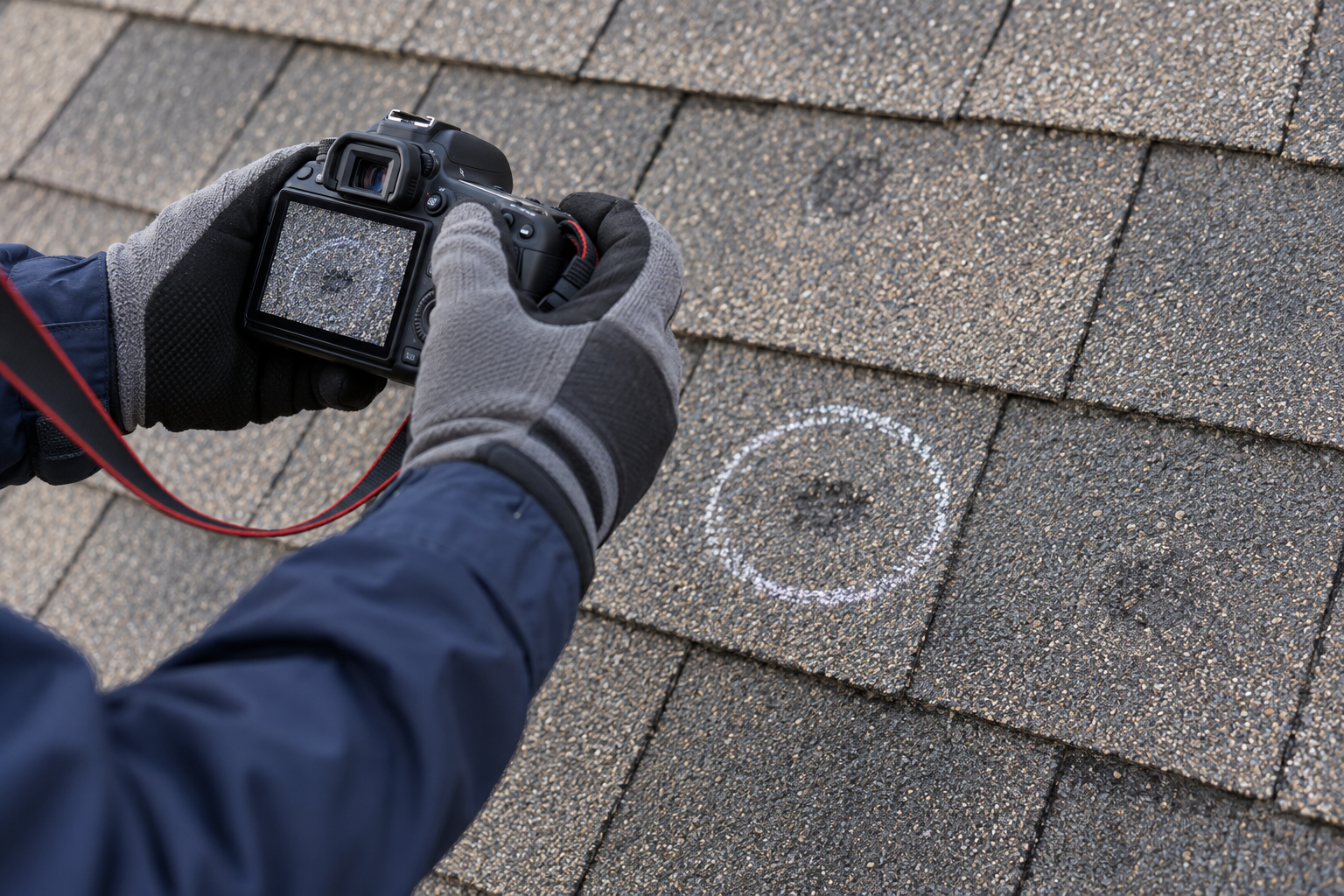
UCAG uses detailed inspection methods to identify hail damage that may be overlooked. A hail review connects the storm, the affected materials, and the proposed repairs. Ground-level observations can help identify areas for a qualified inspection; they do not replace that inspection.
Talk With UCAG →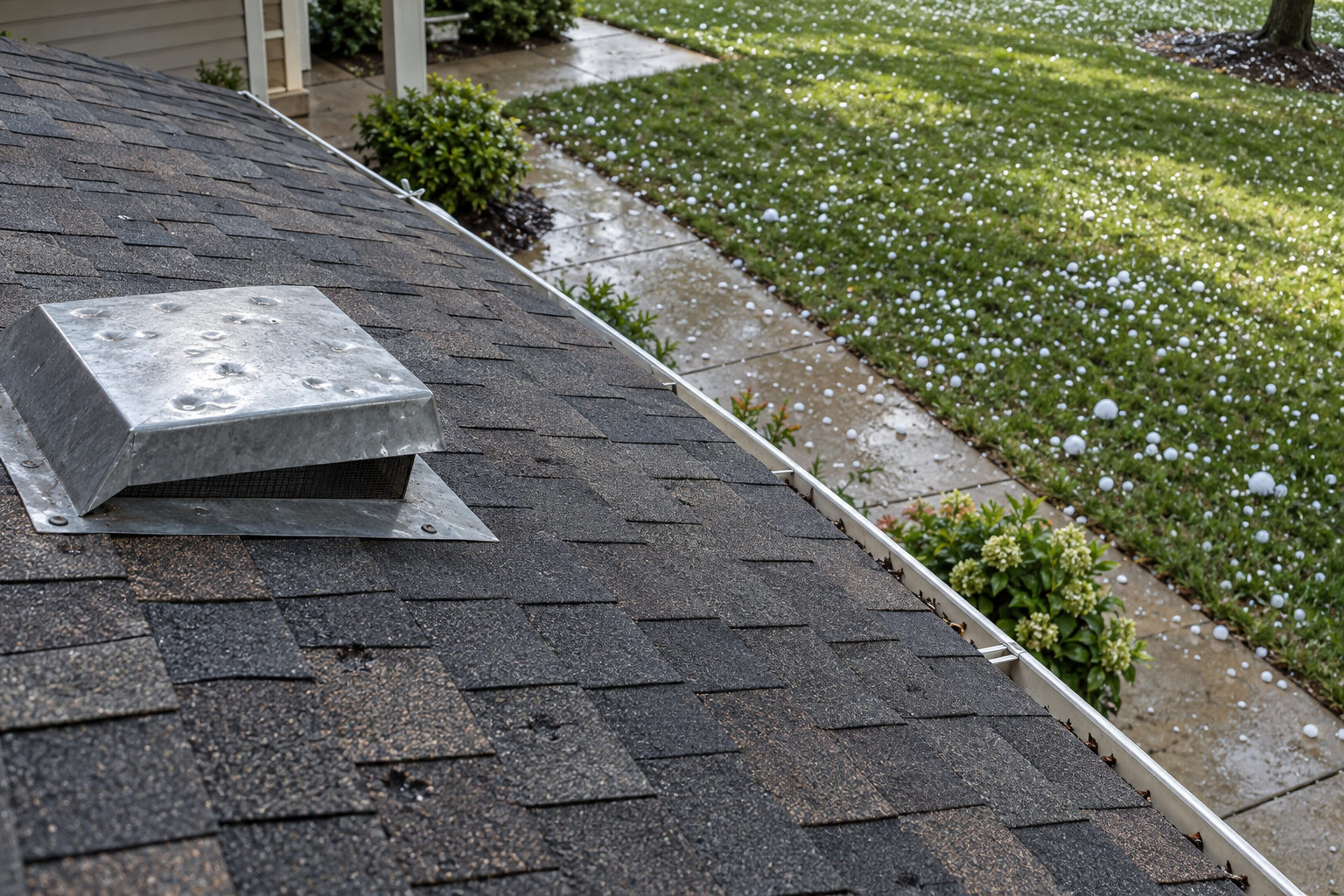
Material, condition, inspection findings and repairability.
Gutters, downspouts, siding, screens and other affected surfaces.
Storm date, photographs, estimates and insurer findings.
Stay sheltered until the severe weather threat has passed.
Photograph visible effects from safe ground-level locations.
Leave roof access and material assessment to qualified professionals.
Organize inspection photos and the estimate alongside the insurer’s explanation.
Protect people first and follow emergency instructions. Coverage, exclusions, deductibles, duties, and deadlines depend on the policy and applicable rules. A loss does not automatically establish coverage.
UCAG reviews the available policy and claim records, documents the reported loss, and helps policyholders understand disputed scope and payment questions. A review can address a new, denied, underpaid, delayed, or closed claim.
Look up claim terms → · Compare roofing types → · Browse all claims →
You cannot stop hail, but you can reduce exposure and make informed material choices.
When reroofing, compare tested impact-resistant products with a qualified roofer. Review installation requirements and local suitability.
Move vehicles and vulnerable outdoor belongings under substantial cover before the storm, if there is safe time.
Address loose or deteriorated components before severe weather rather than waiting for a hail warning.
Use a sheltered interior area during the storm. Do not step outside to collect hailstones or take photos.
Impact-resistant does not mean hail-proof. Protection depends on the product, installation, condition and severity of the storm.
Not by themselves. The roofing material, condition, extent of the loss, repairability and policy terms need review. Avoid a conclusion based only on a few visible marks.
They can help document the condition after a storm. Each affected surface still needs its own assessment; an impact on one material does not establish the condition of another.
Keep the written explanation and the relevant policy language. Ask the inspecting professional to document what was observed and why it affects the proposed scope of work.
Further reading: National Weather Service: Severe thunderstorm safety. State-specific guidance applies in its stated jurisdiction. Your policy and circumstances determine coverage.
Schedule your free consultation today.